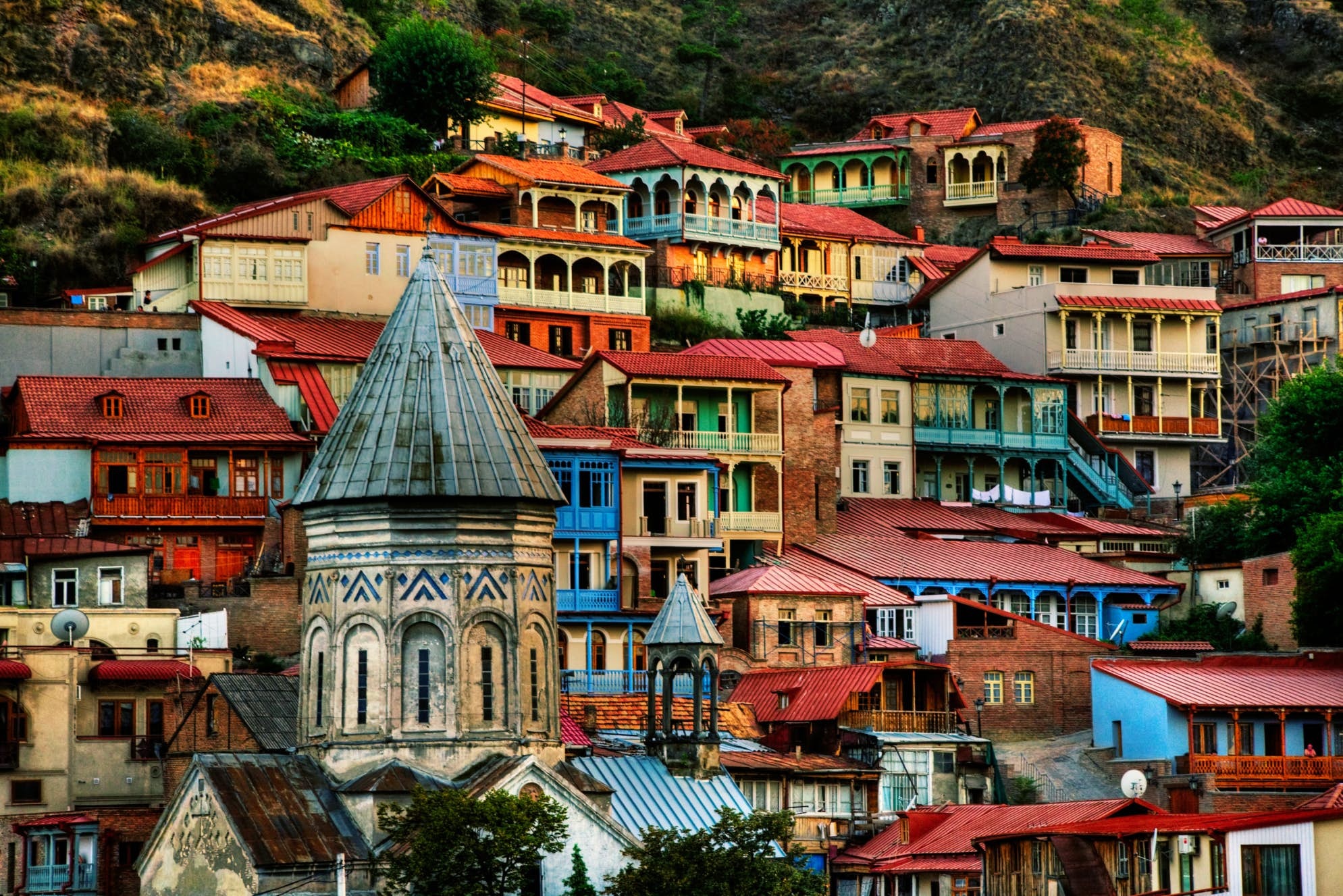
ქართული გასტრონომიაFOOD · PLACE · PEOPLE

TIFLIS JOURNAL

GEORGIAN GASTRONOMY

A journey from the Caucasus to the table.

Georgia’s food is shaped by altitude, the Black Sea, fertile valleys and the people who cook there. This guide follows eleven connections between place and plate. Start with a region, discover a dish and find the tradition behind it.

A map of Georgia with regional dishes
A regional map of Georgian food
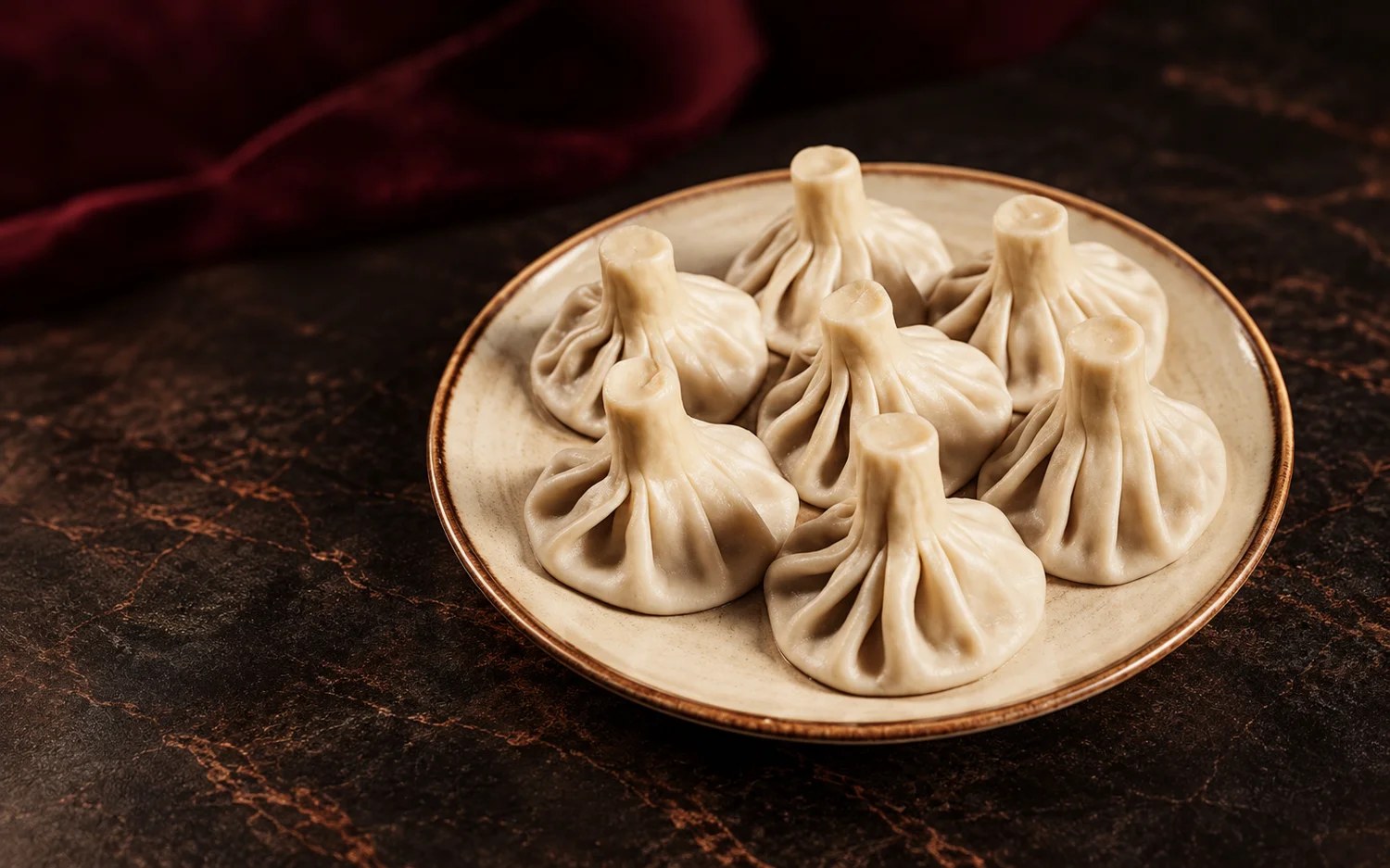
Khinkali: a fold of mountain life
EASTERN HIGHLANDS

EASTERN HIGHLANDS

Khinkali: a fold of mountain life

Khinkali are closely associated with Georgia’s eastern mountain communities, especially Pshavi and Tusheti. Today they belong to tables across the country. A thin skin of dough encloses the filling and its broth; the pleats make a small handle at the top.

Take a small bite first and sip the broth before eating the rest. This way of eating slows the meal down. Around a shared platter, the skill of the person who folded the dough becomes part of the conversation.

Dough · broth · hand-folded pleats
Kubdari: the warmth of a mountain home
SVANETI

SVANETI

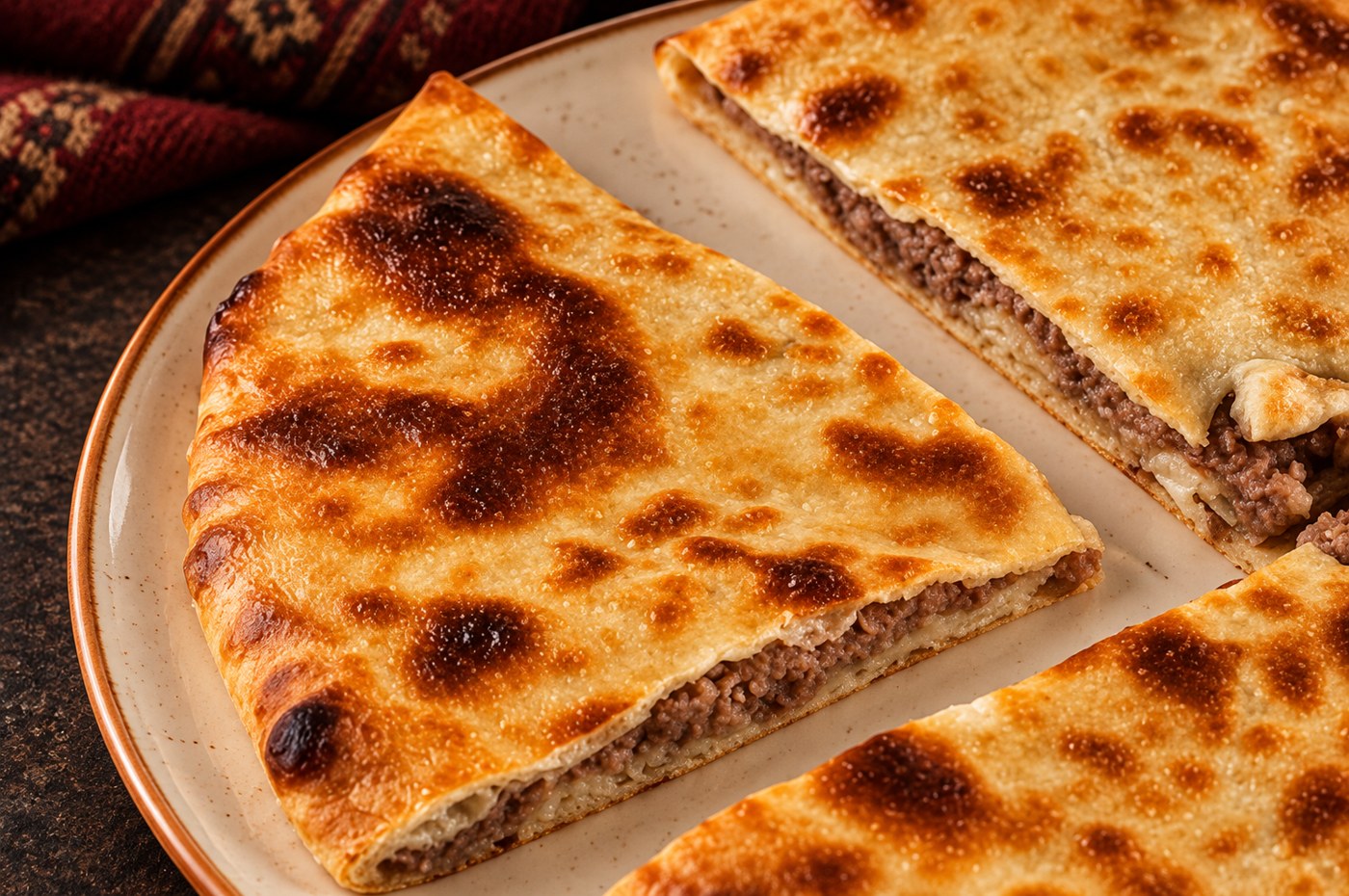
Kubdari: the warmth of a mountain home

Svaneti’s signature filled bread is kubdari. Its filling uses diced meat rather than a smooth mince, with a distinctive blend of spices and herbs. Forest savory helps give it the aroma associated with Svan cooking.

Cut open, it reveals the practical generosity of bread made to share. The dish is a useful reminder that Georgian baking is not one recipe: each region brings different fillings, textures and household traditions to the oven.

Diced meat · fragrant herbs · baked bread

Landscape illustration inspired by Adjara

ADJARA · BLACK SEA

A coastline written in bread

Adjara meets the Black Sea in western Georgia. Its best-known khachapuri is open and boat-shaped, with cheese, butter and egg in the centre. The familiar shape is often linked to the region’s maritime life.

Break a piece from the edge and bring it into the warm filling. The contrast between crust and soft centre is the pleasure of the dish. Regional food can make a landscape tangible, even far from the place where it is prepared.

Coastal landscape · cheese · boat-shaped bread

The quiet craft of cheese and dough
IMERETI

IMERETI

The quiet craft of cheese and dough

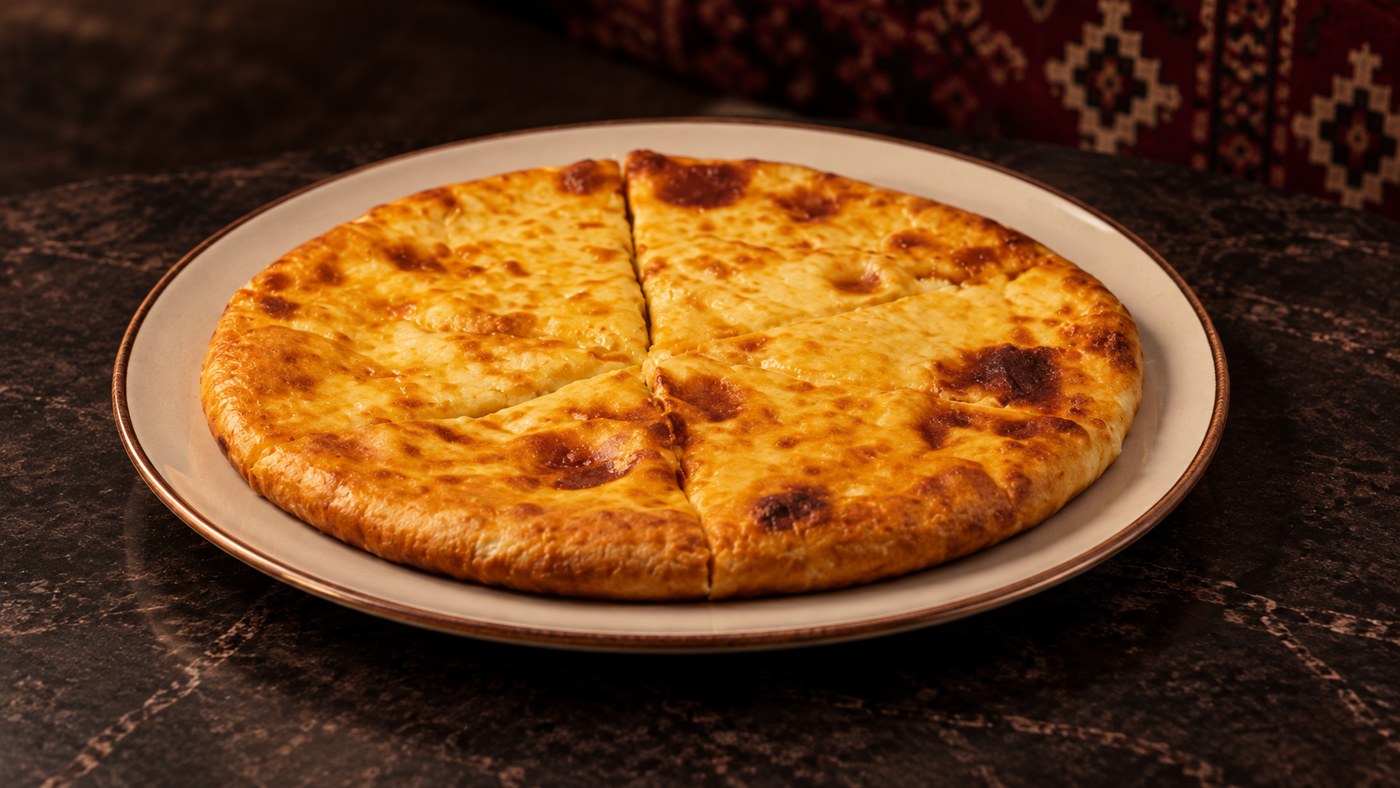
Imeretian khachapuri is round, with cheese enclosed inside the dough. Unlike its Adjarian relative, the filling stays covered. Traditional baking on a ketsi, a clay pan, is still preserved in some villages.

These differences invite a closer look at Georgian food. Shape, cheese and the way heat reaches the dough all matter. A familiar name can hold many local techniques, passed on by watching and making the same dish together.

Imeretian cheese · round bread · the ketsi tradition

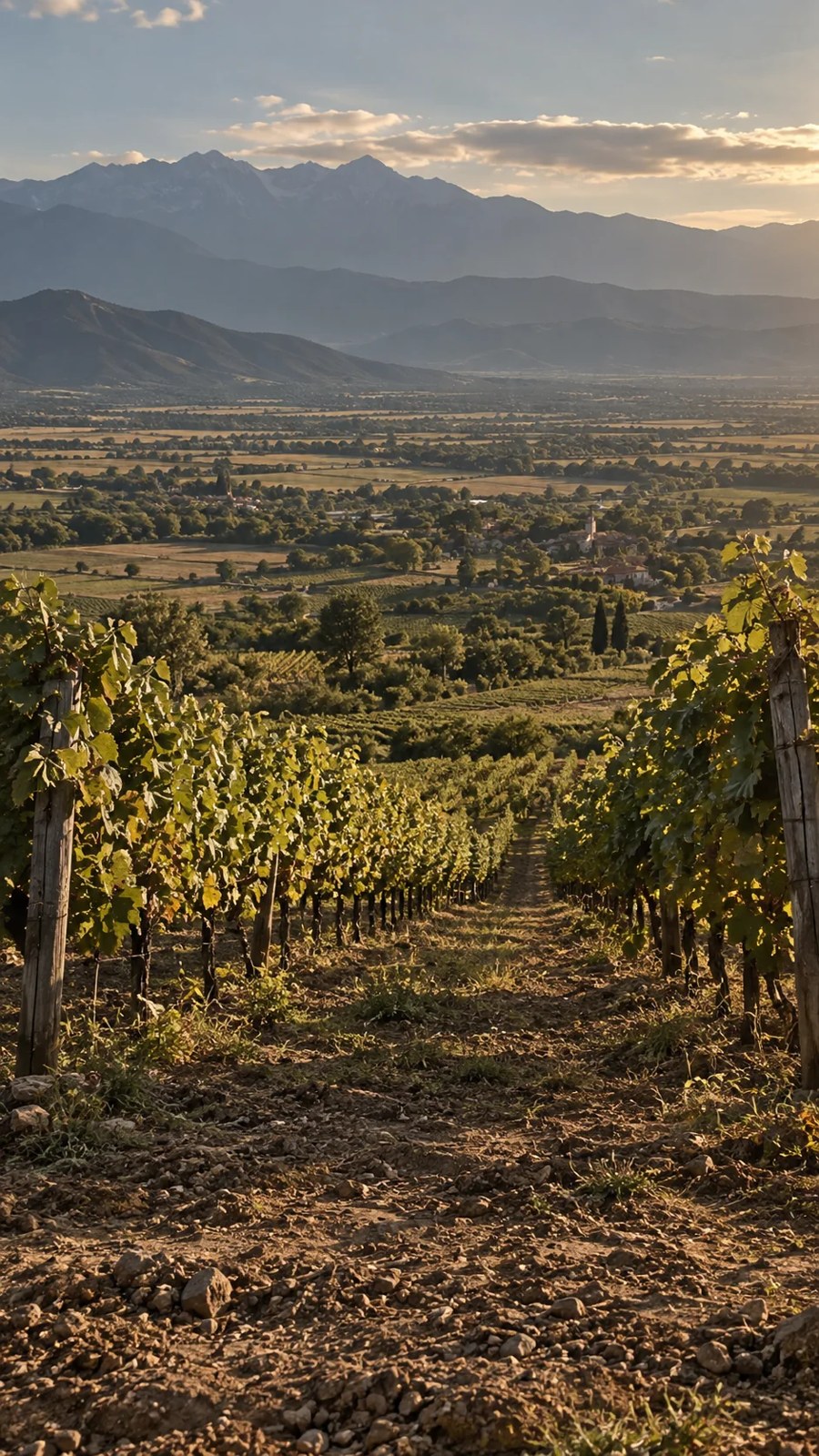
Vineyard illustration

KAKHETI · WINE COUNTRY

The vineyard continues underground

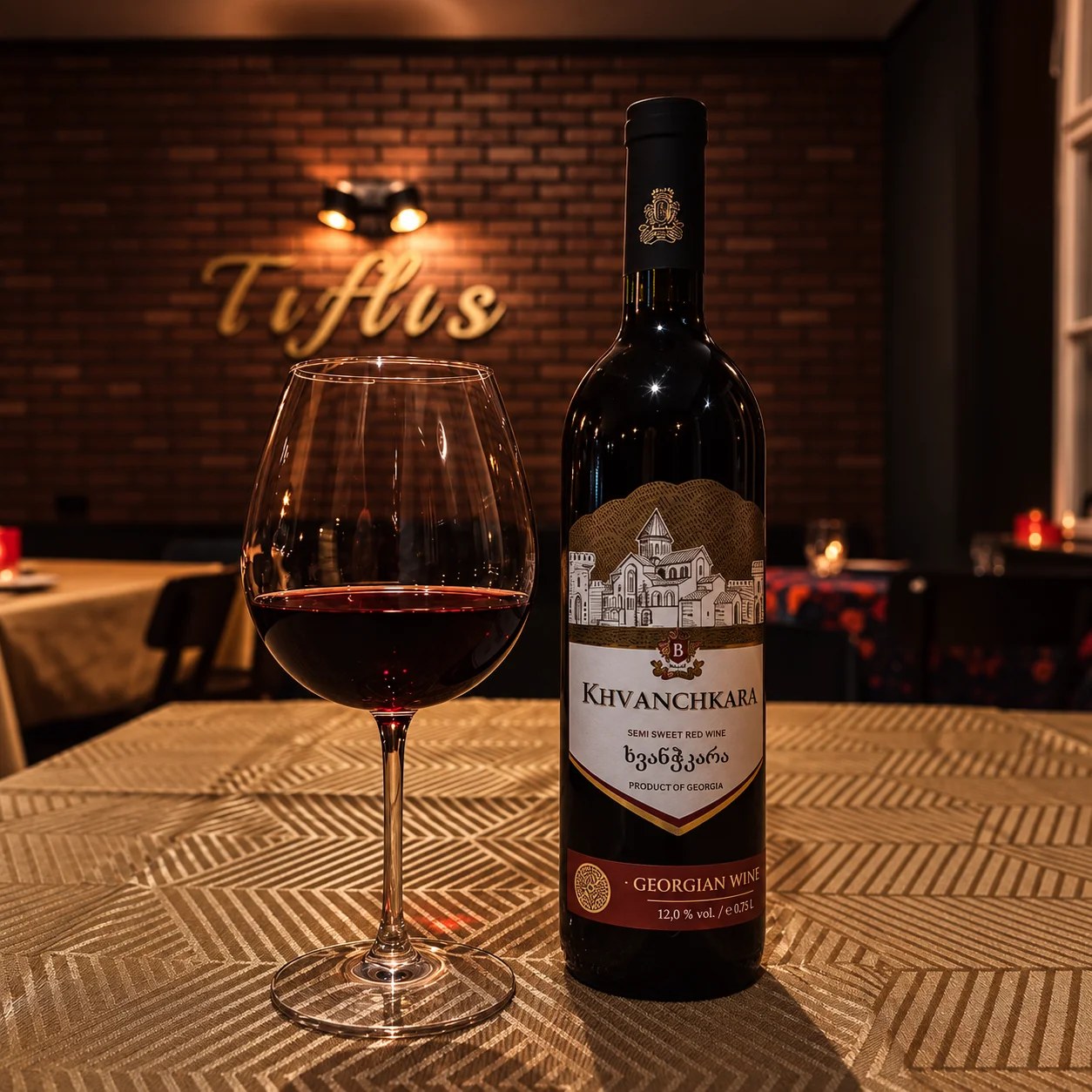
A qvevri is a large earthenware vessel used in Georgian winemaking. Buried in the ground, it connects the work of the vineyard with the work of the cellar. Grapes and their skins are handled differently in regional methods, including those of Kakheti and Imereti.

Qvevri wine is a craft carried by people as much as by a vessel: harvesting, preparing the clay containers and knowing when to wait. Exploring it means asking how a wine was made, as well as which grape it contains.

Vines · earthenware · patient craft

Supra: food with a place for everyone
AT THE GEORGIAN TABLE

AT THE GEORGIAN TABLE

Supra: food with a place for everyone

The supra is a Georgian feast built around shared food, toasts and company. A tamada guides the toasts, giving the gathering a rhythm. The meal creates space for stories and for the people sitting together.

Hospitality is experienced through small gestures: offering a dish, listening to a story, making room for another guest. At Tiflis in Ljubljana, this spirit is an invitation to linger, explore something unfamiliar and enjoy the table together.

Shared dishes · toasts · hospitality

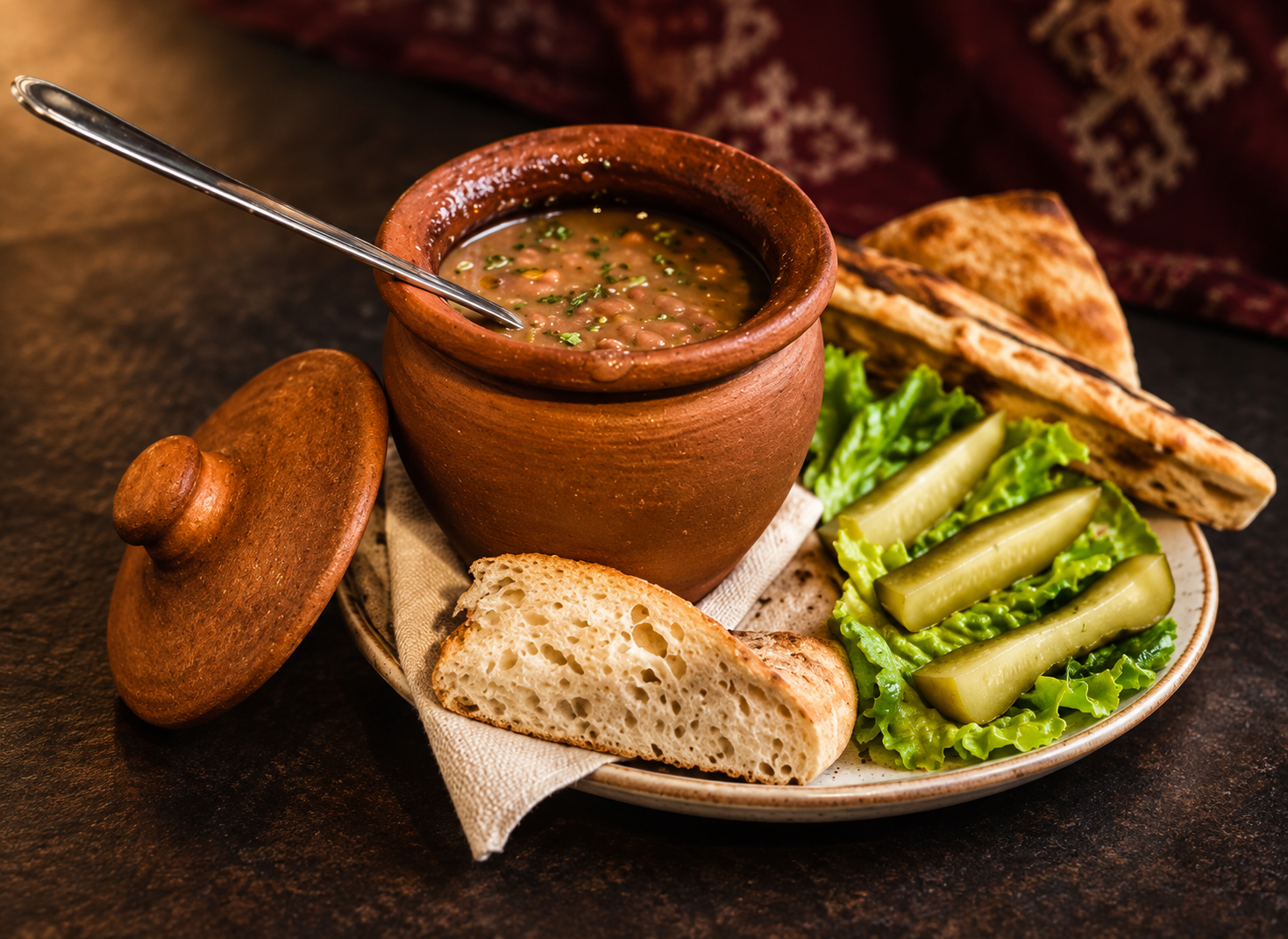
Lobio served in a traditional clay pot
RACHA · BEANS & BREAD

RACHA · BEANS & BREAD

Lobio and lobiani: comfort in two forms

Lobio is not a single fixed recipe. Across Georgia, beans may be seasoned with herbs, walnuts, tkemali or regional oils, then served from a clay pot with bread and pickles. The same ingredient becomes lobiani when it is enclosed in dough and baked.

Racha is especially known for lobiani, while families across the country keep their own versions of lobio. Together they show how an everyday ingredient can move from a warming stew to a bread made for sharing.

Beans · herbs · clay pot · filled bread

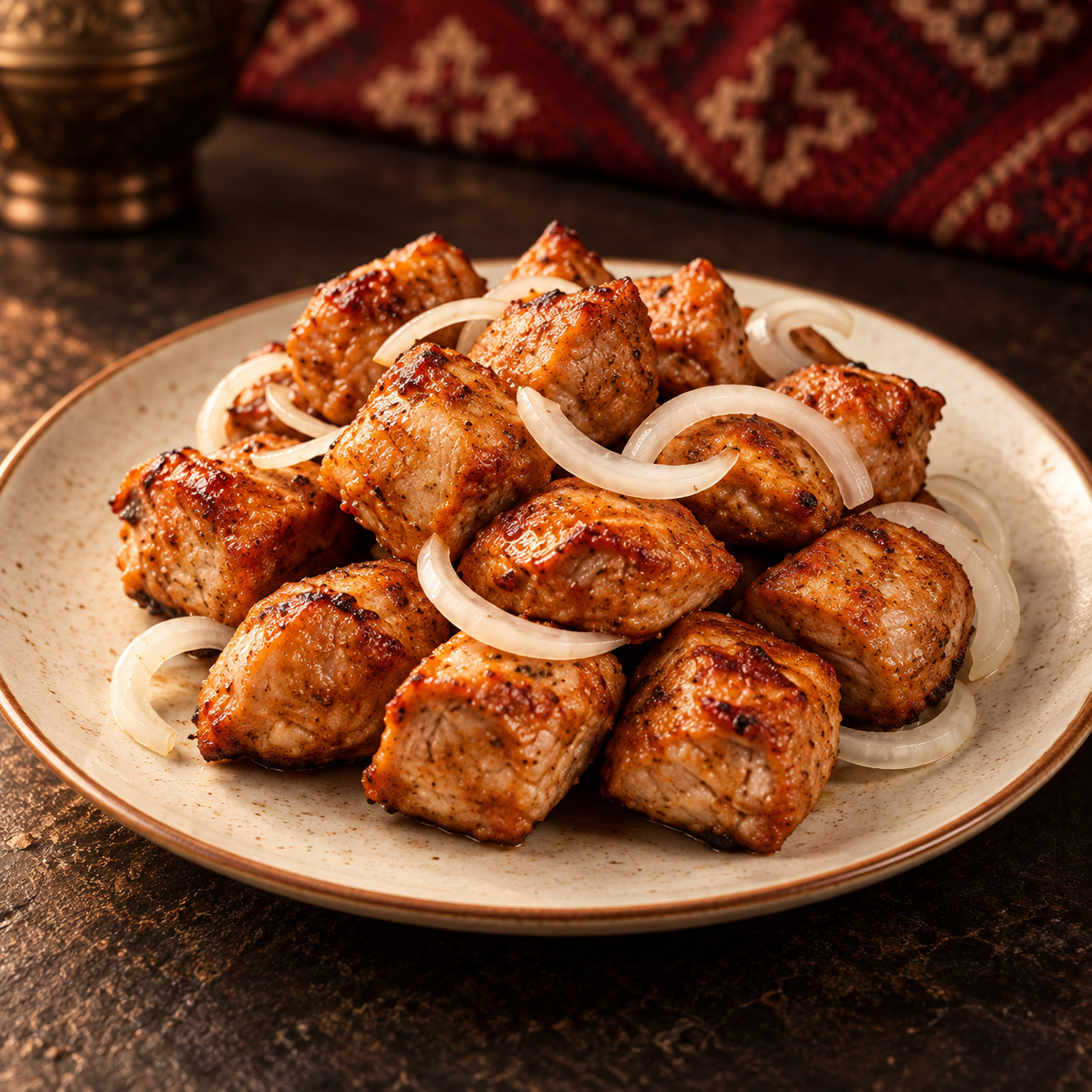
Mtsvadi grilled meat with onions
KAKHETI · FIRE & VINES

KAKHETI · FIRE & VINES

Mtsvadi: the flavour of an open fire

Mtsvadi is Georgian meat grilled on skewers over glowing embers. Pork is the best-known version, although chicken and other variations are also prepared. In Kakheti, vine clippings may feed the fire and the meat can be finished with qvevri wine or pomegranate juice.

Its character comes from restraint: good meat, heat, salt and the scent of smoke. Served with onion, herbs and shoti bread, mtsvadi turns grilling into a shared moment around the table.

Embers · skewers · onion · vine smoke

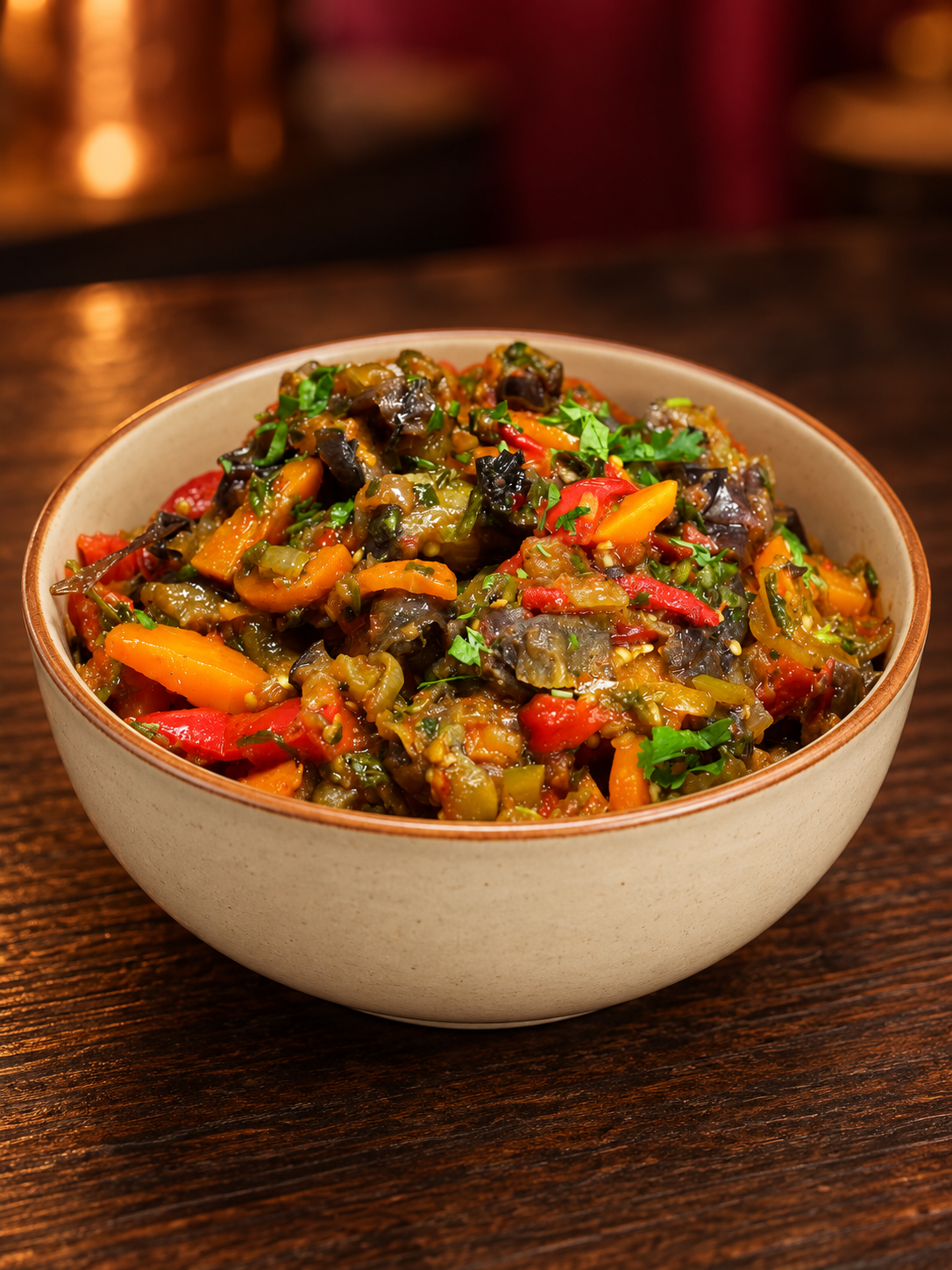
Ajapsandali with eggplant, peppers and herbs
TBILISI · SUMMER VEGETABLES

TBILISI · SUMMER VEGETABLES

Ajapsandali: many vegetables, one dish

Ajapsandali brings eggplant together with tomatoes, peppers, herbs and whatever the season offers. Recipes vary freely, but eggplant remains at the centre. The dish can be served warm or cold and is closely associated with the abundance of summer.

Often described through comparisons with ratatouille, ajapsandali has its own Georgian identity and a particularly strong connection with Tbilisi. Its layers of vegetables become one rich, aromatic whole.

Eggplant · tomato · peppers · fresh herbs

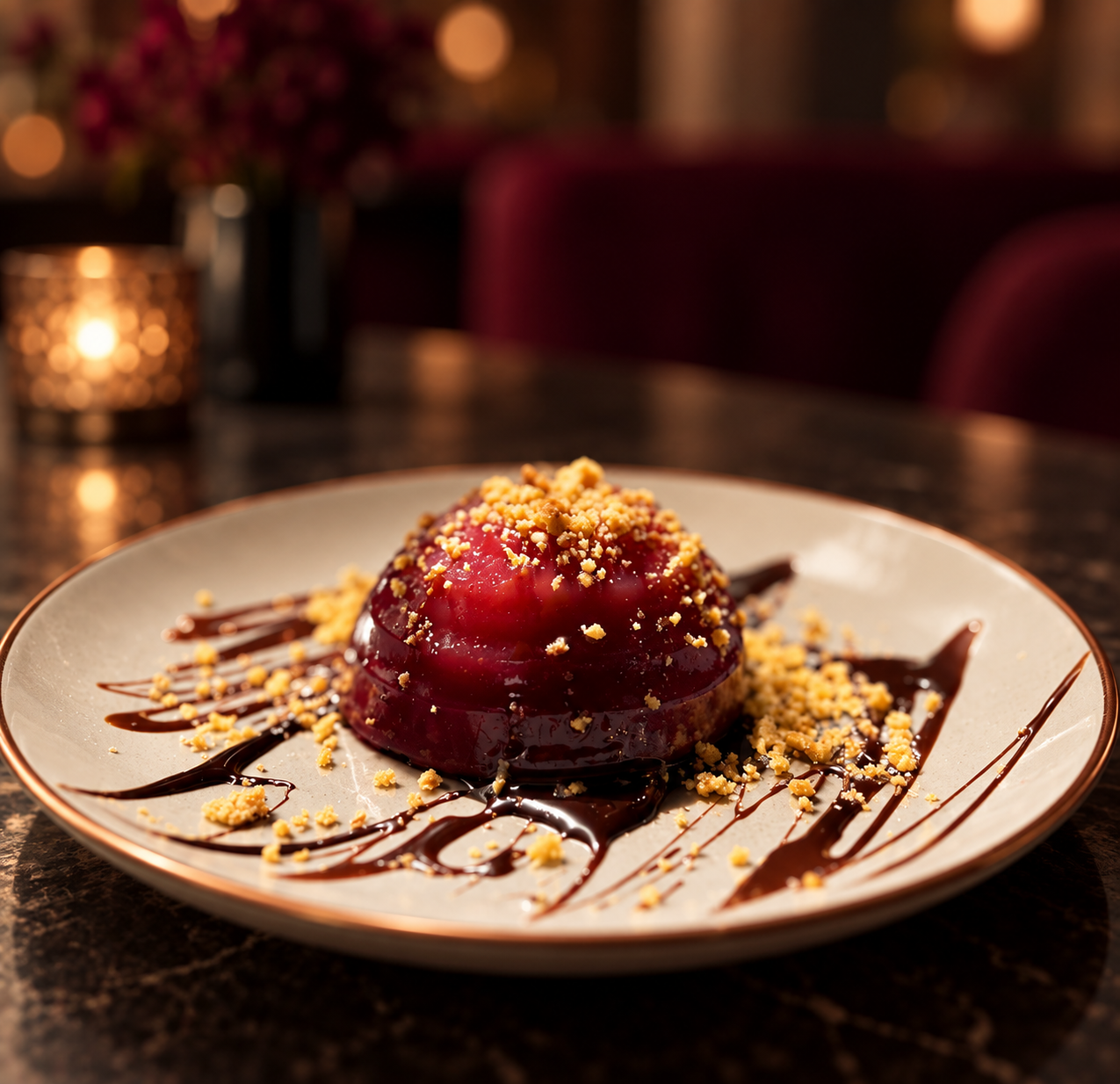
Pelamushi grape dessert
GRAPE HARVEST · DESSERT

GRAPE HARVEST · DESSERT

Pelamushi: grapes become dessert

Pelamushi is made by thickening boiled grape juice with corn flour. Its sweetness comes from ripe grapes rather than added sugar, linking the dessert directly to the vineyard and the autumn harvest.

Served cool and often finished with walnuts, pelamushi carries the colour and fragrance of the grape into the final course. It is simple in form, but deeply connected to Georgian wine culture.

Grape juice · corn flour · walnuts · harvest

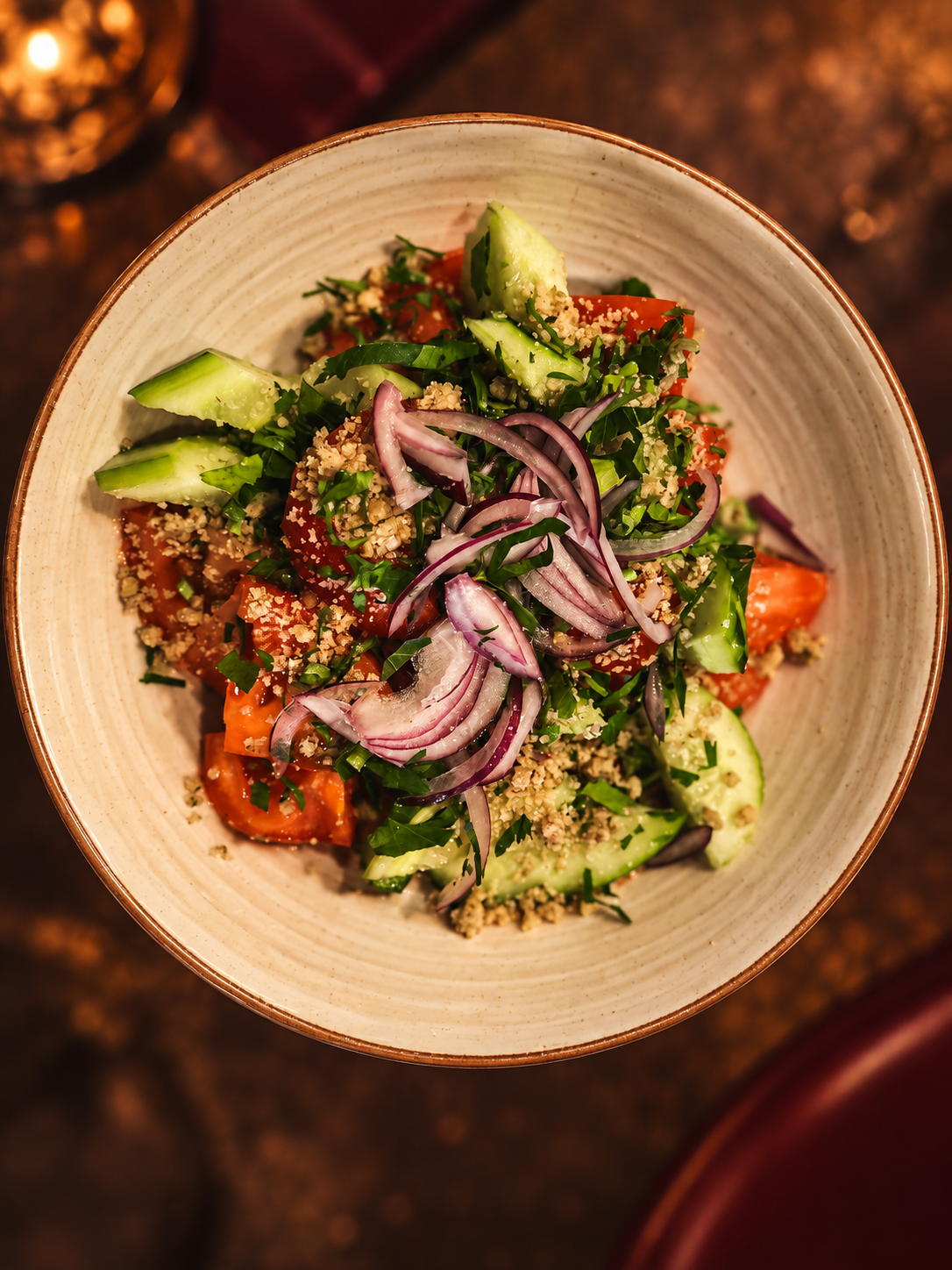
Georgian tomato and cucumber salad with walnuts
WALNUTS · THE COLD TABLE

WALNUTS · THE COLD TABLE

Walnuts bind the Georgian table together

Ground walnuts, garlic, herbs and acidity form one of the most recognisable flavour structures in Georgian cooking. They season vegetable dishes, salads and pkhali, turning simple produce into food with depth and texture.

Pkhali can be prepared from many vegetables and greens, then served as part of a spread made for sharing. The same walnut language appears in Georgian tomato and cucumber salad, where it adds richness without hiding the freshness of the vegetables.

Walnuts · coriander · garlic · vegetables